2026 – 2028 Global Grant
Rotary Area of Focus: Saving mothers and children
Host Sponsor: Rotario Club Guatamal entre Volcanes, Guatemala City, Guatemala
International Sponsor: Rotary Club of Madison West Middleton, Wisconsin, USA
This Global Grant is an application for the funding needed to expand upon and support the sustainability of the successful efforts of Global Grant #1876079. The Rotary Club of Madison West Middleton and Supporting Safe Birth, Inc. will again assemble Vocational Training Teams (VTT) that over 3 years 2026 – 2028) will make 6 training trips to Guatemala to train birth attendants and to increase the number of Master Trainers from 12 to 20. The funding for this Global Grant #2575099 project will build upon the established the Helping Mothers and Babies Survive (HMBS) educational programs (https://hmbs.org/), which were developed by a coalition of international health agencies to equip birth attendants in low-resource areas worldwide with life-saving skills for pregnancy, childbirth, and the postpartum period.
Donors
Rotary Club of Calgary Sarcee, Canda
Rotary District 6250 Designated Fund
Rotary District 1416 Denmark
Rotary Club of Lake Mills
Rotary Club of Madison
Rotary Club of Madison West Middleton
Rotary Club of Marshfield
Rotary Club of Mount Horeb
Rotary Club of Waunakee
Rotary Club of Waunakee Interact Club
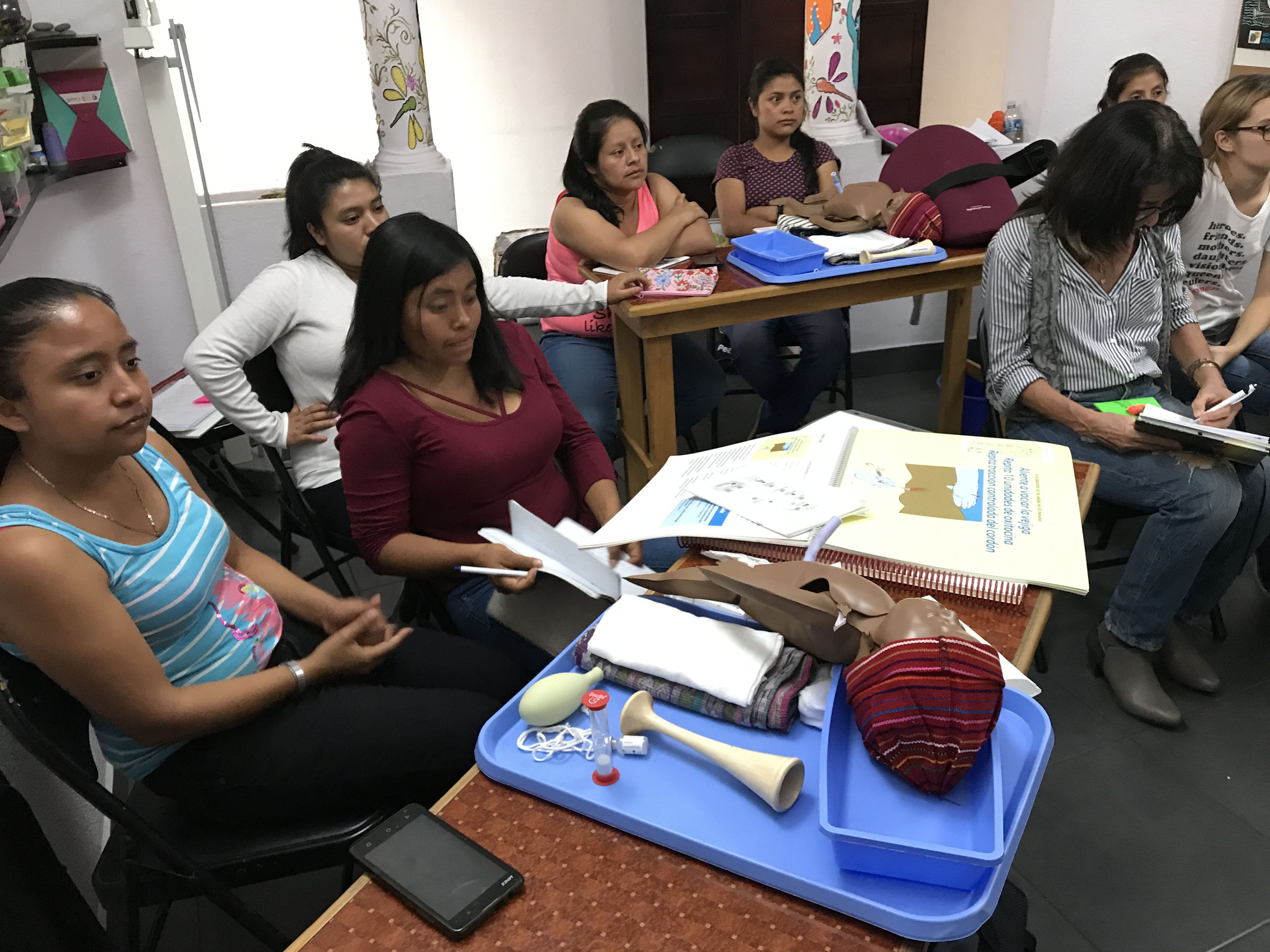
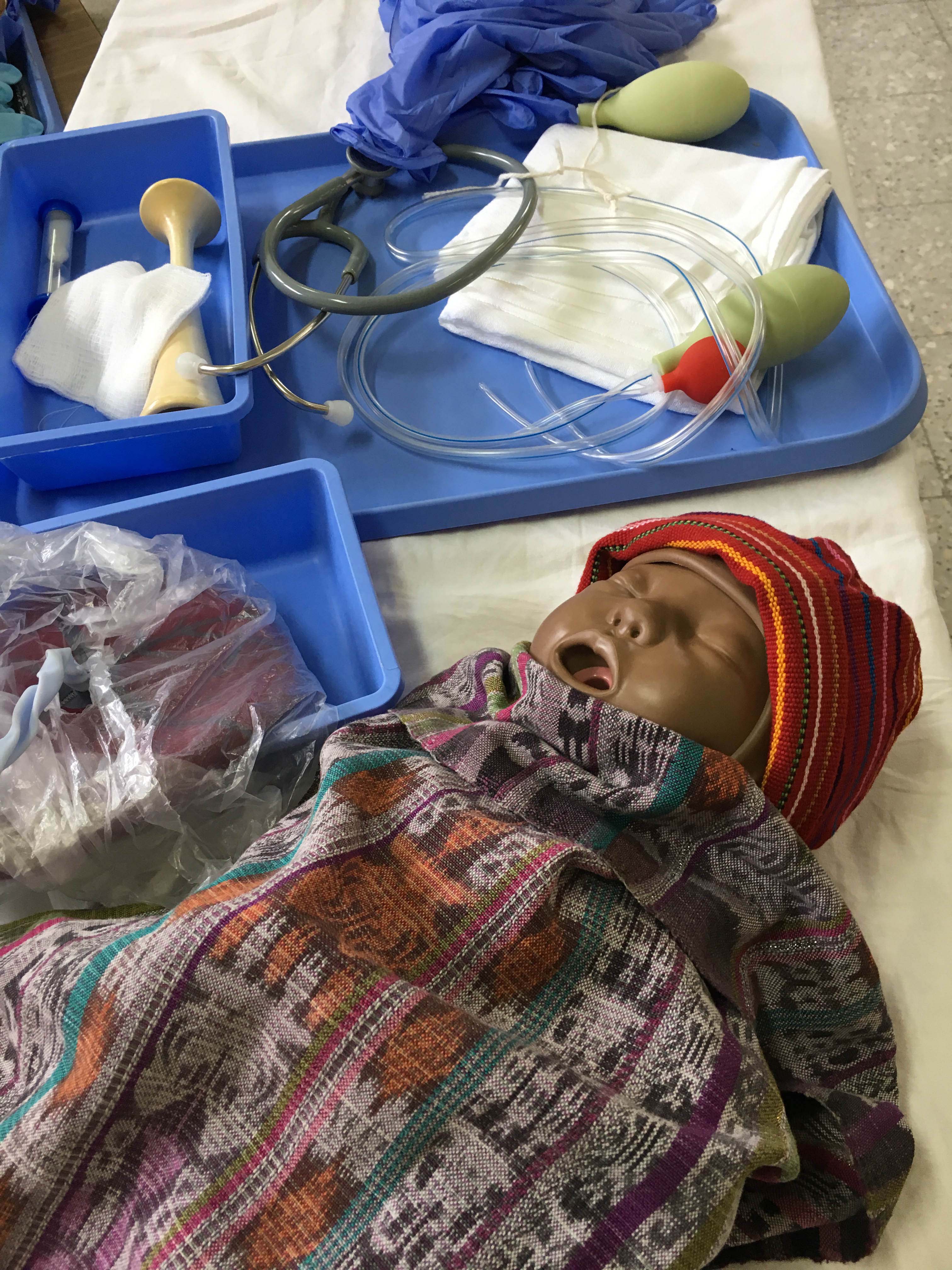
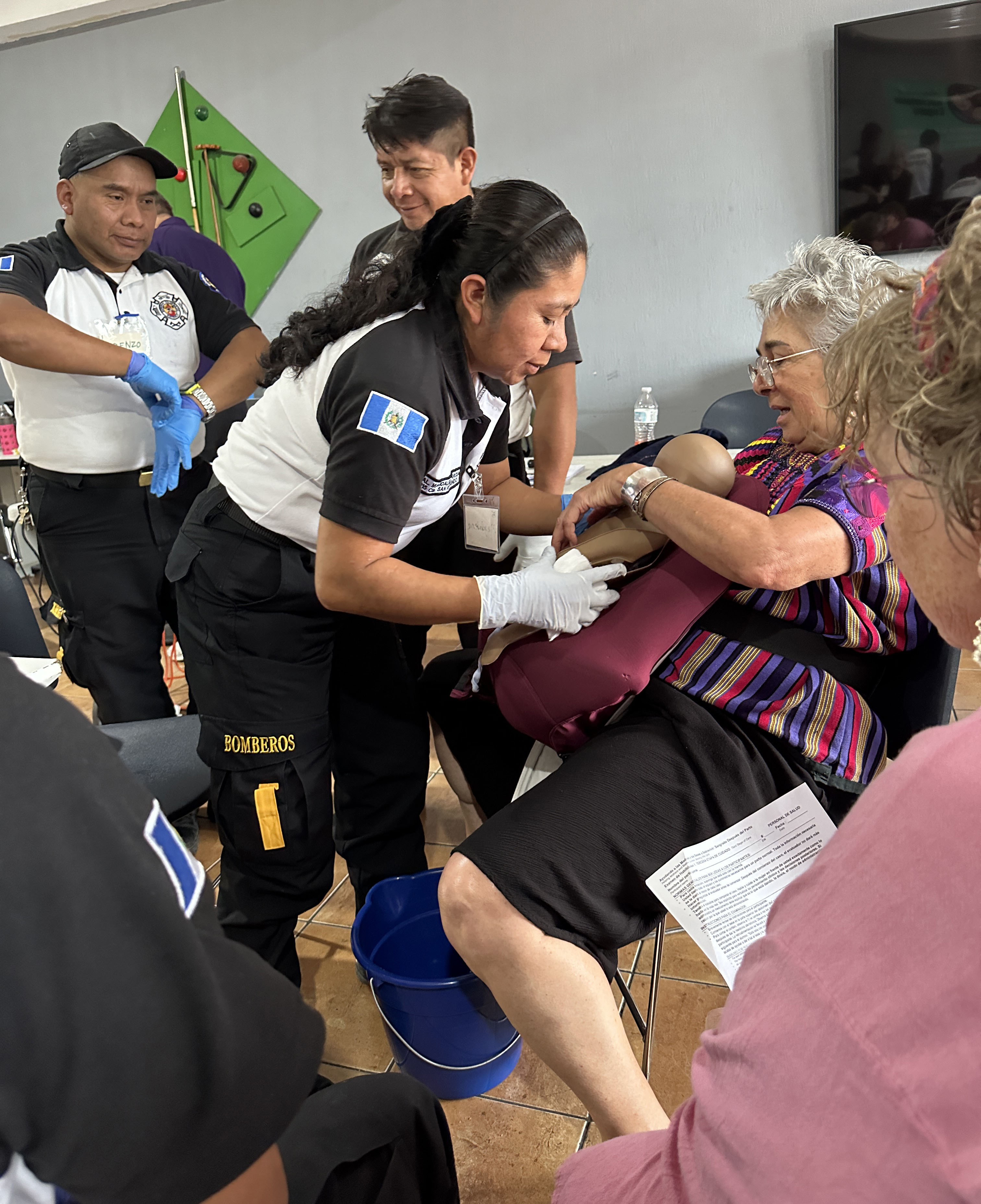
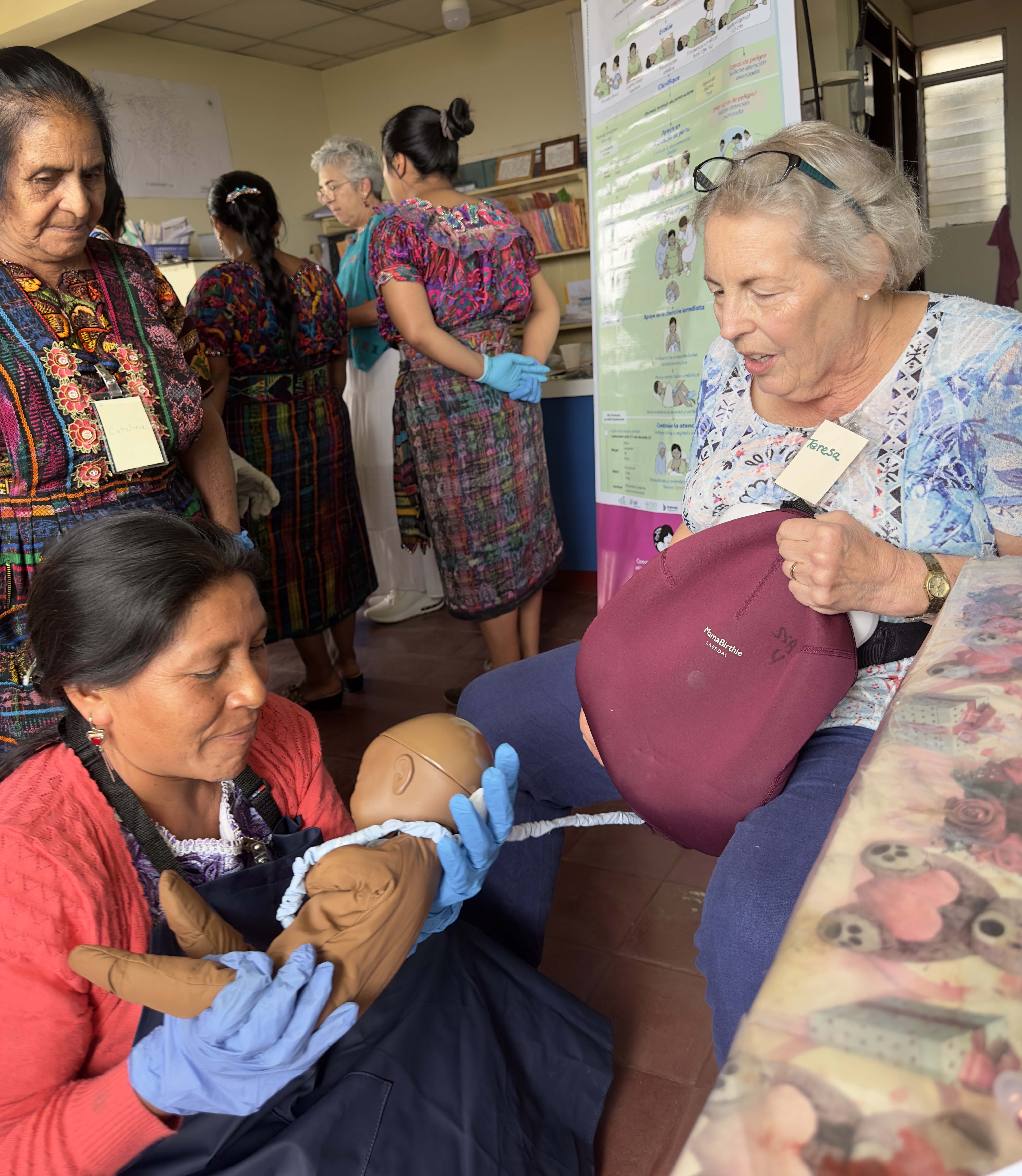
In addition, the Master Trainers will be equipped with manikins and educational supplies necessary to improve the skills of birth attendants in their surrounding communities.
The primary objectives of this grant are to:
• Increase the number of trained Master Trainers (MTs) in Guatemala from 12 to 20,
• Enhance the reach of midwives and other birth attendants through education and localized community engagement,
• Improve maternal and newborn health outcomes by strengthening clinical skills, confidence, and data-driven training delivery.
The selected Master Trainers are chosen based on their geographic accessibility and demonstrated commitment to educating community-based midwifery groups. The project will be implemented through six coordinated trips to Guatemala, each providing structured training aligned with HMBS modules, such as Bleeding After Birth Day 1, Essential Newborn Care 1 & 2, and Essential Care for Labor & Birth. Instruction will be delivered by a Vocational Training Team and supported by mentorship for the MTs.
2019 Global Grant
Rotary Area of Focus: Saving mothers and children
Host Sponsor: Las Americas Rotary Club of Guatemala City, Guatemala
International Sponsor: Rotary Club of Madison West Towne-Middleton, Wisconsin, USA
Donors
District 6250 Designated Fund
Rotary Club of Fort Atkinson
Rotary Club of Madison
Rotary Club of Madison East-Monona
Rotary Club of Marshfield Sunrise
Menominee Sunrise Rotary Club
Rotary Club of Milwaukee
Rotary Club of Neillsville
Prairie du Chien Rotary Club
Rotary Club of Waunakee
Scope
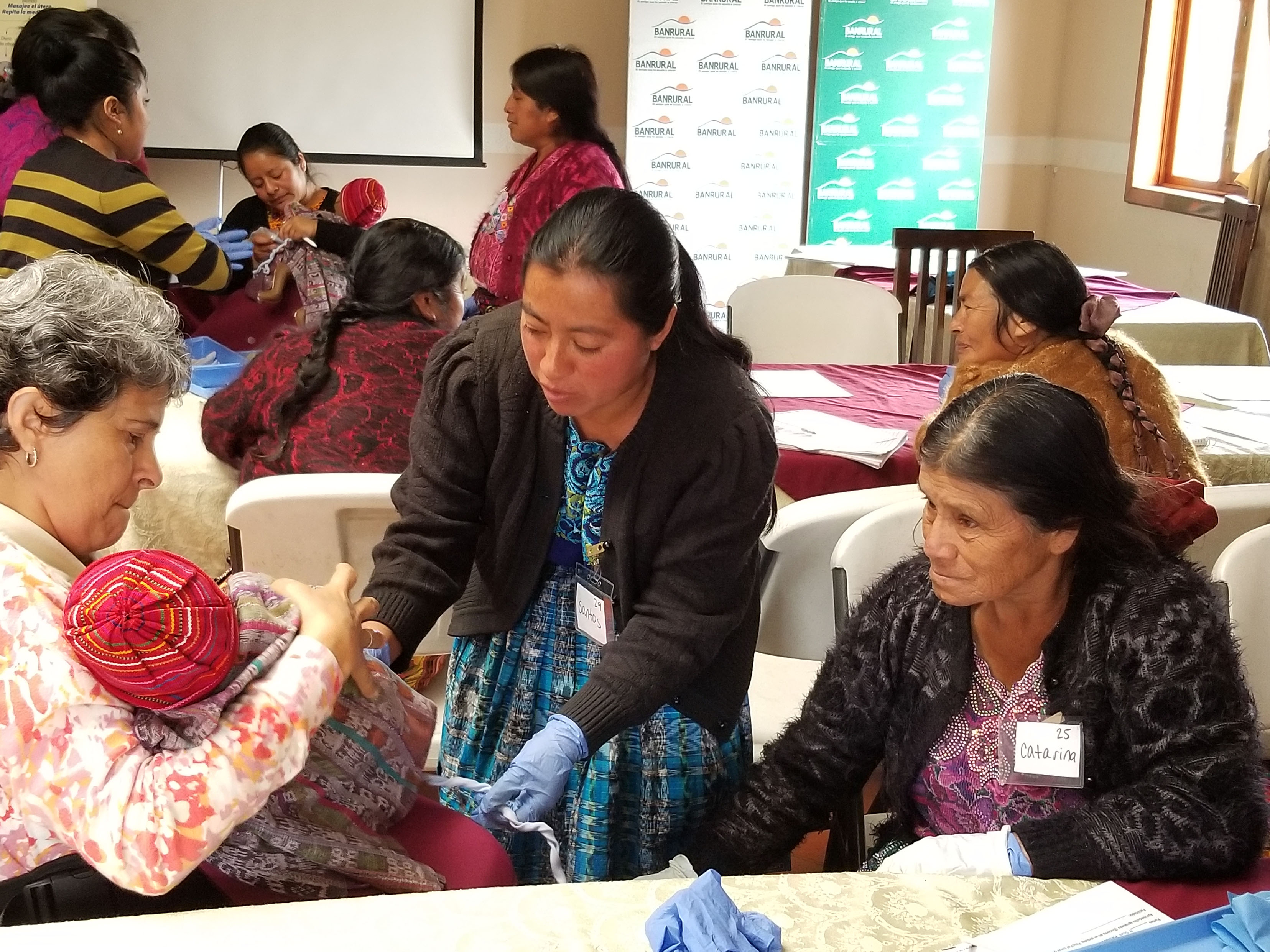
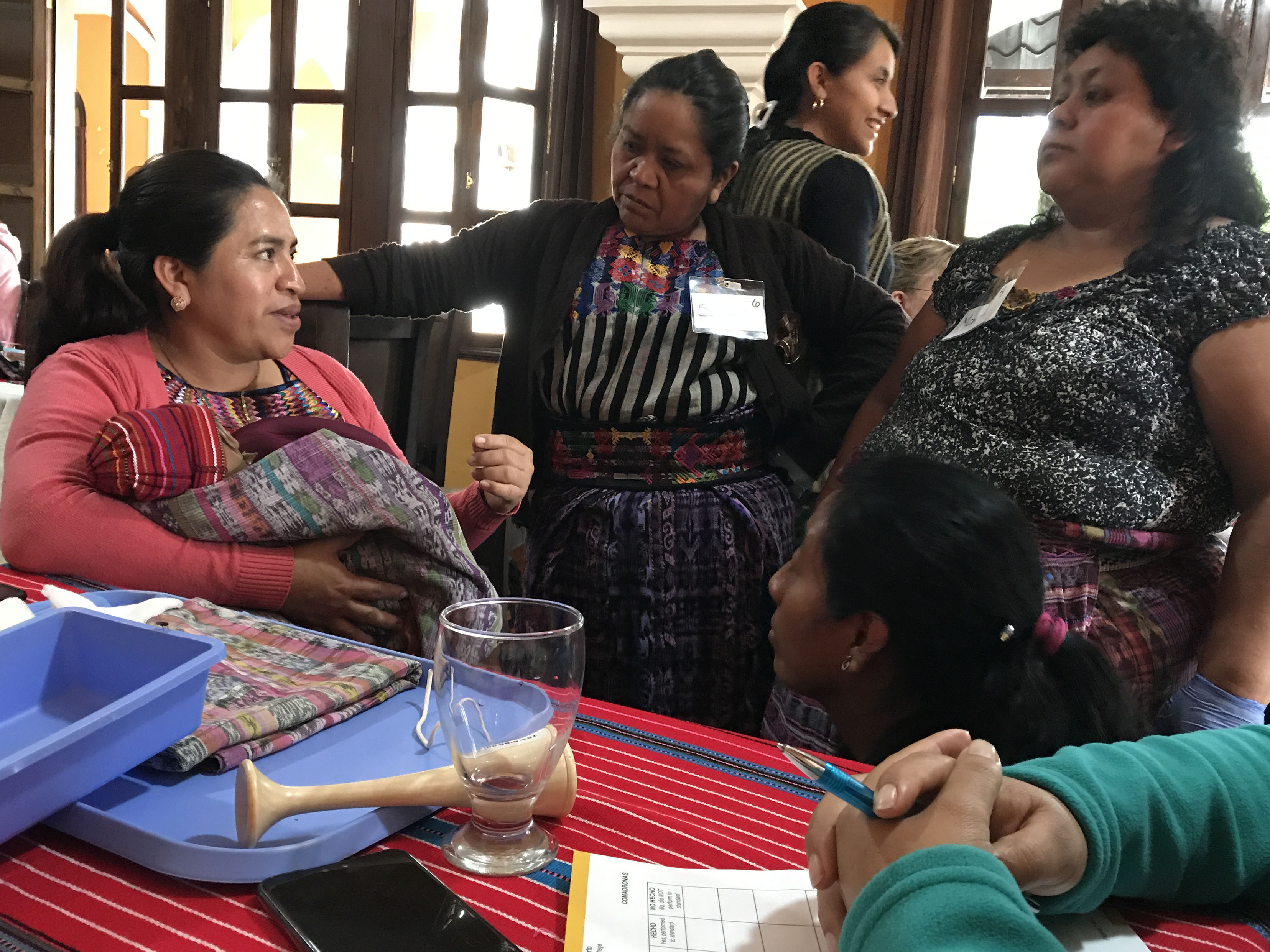
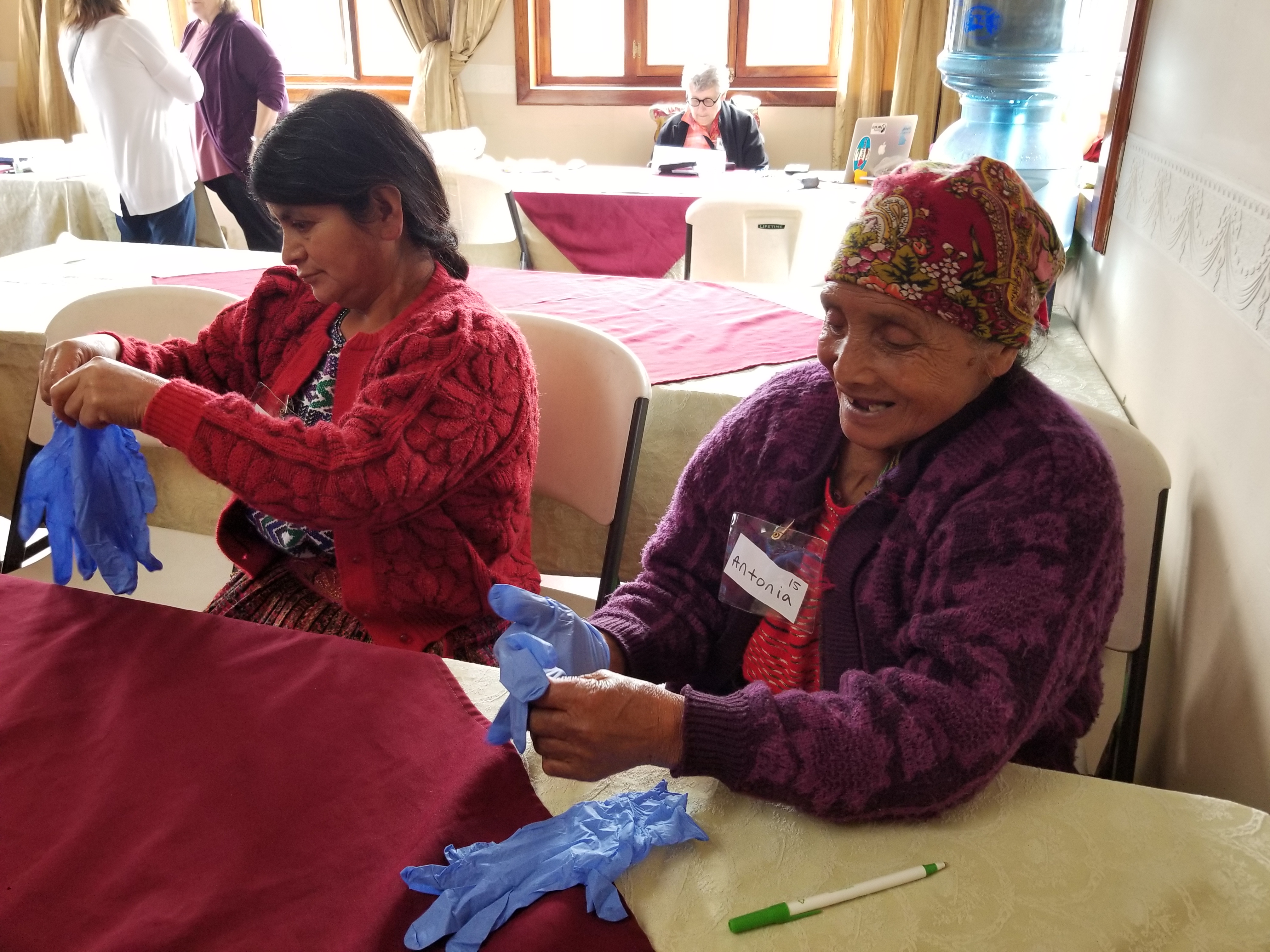
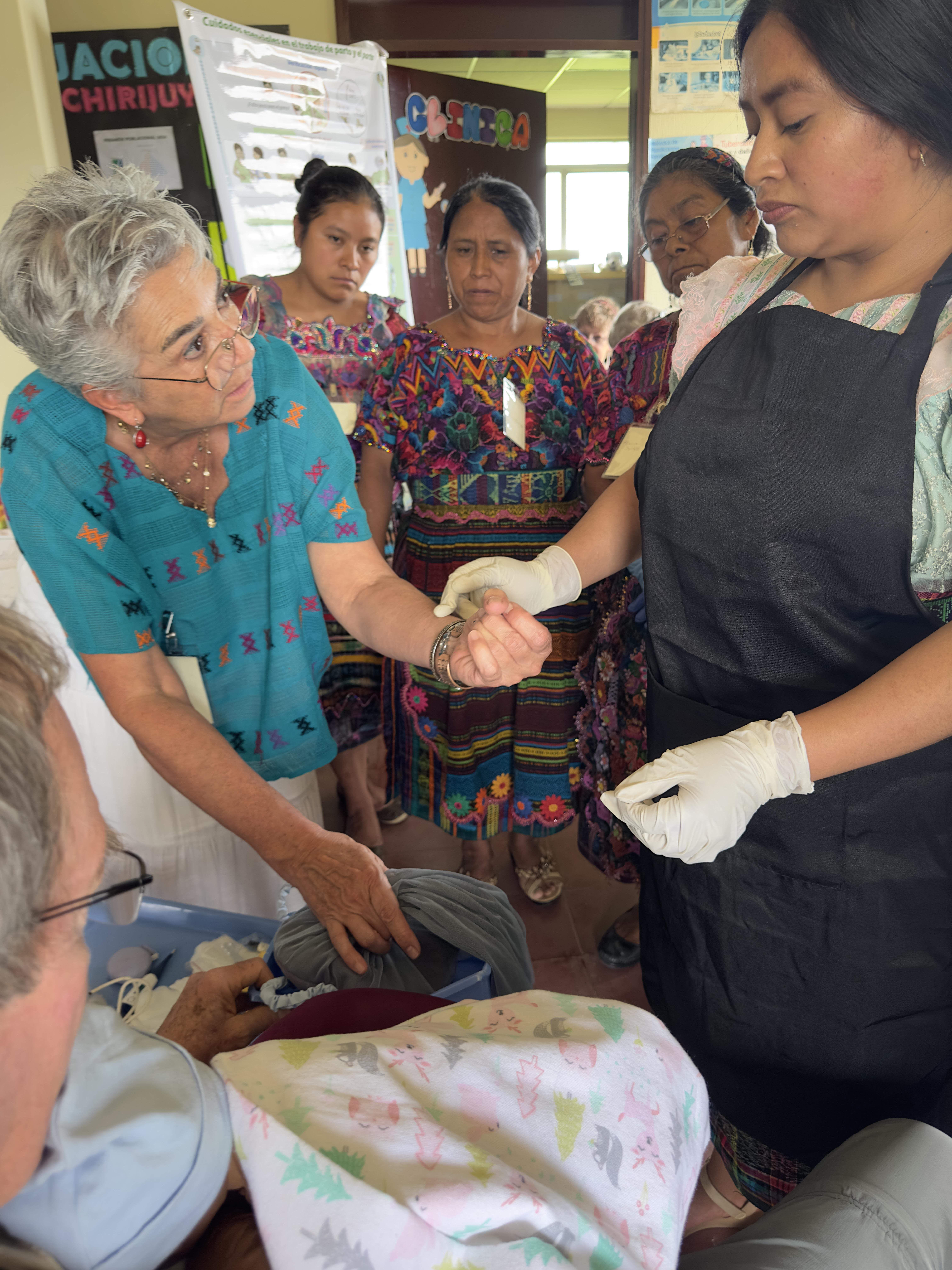
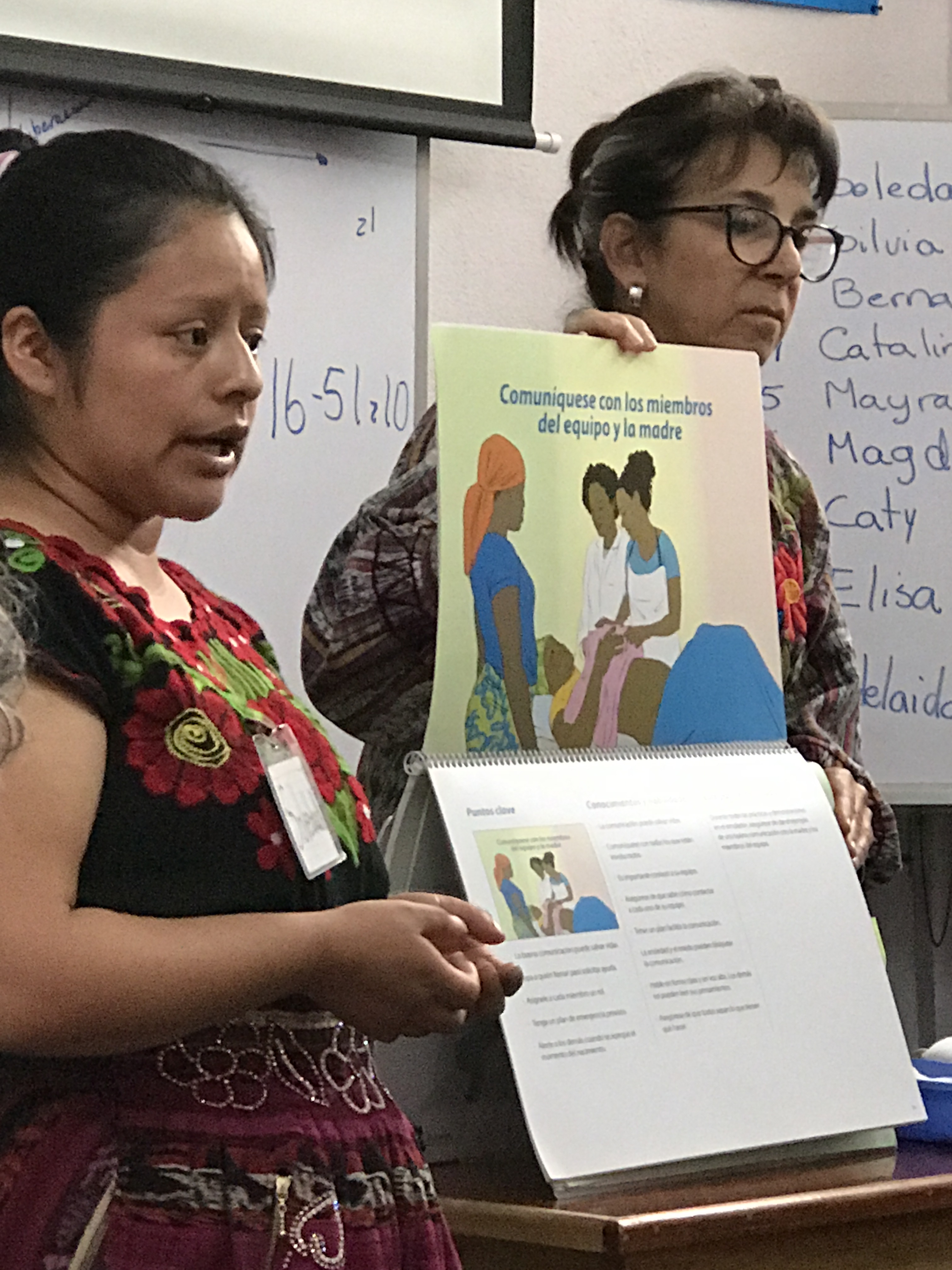
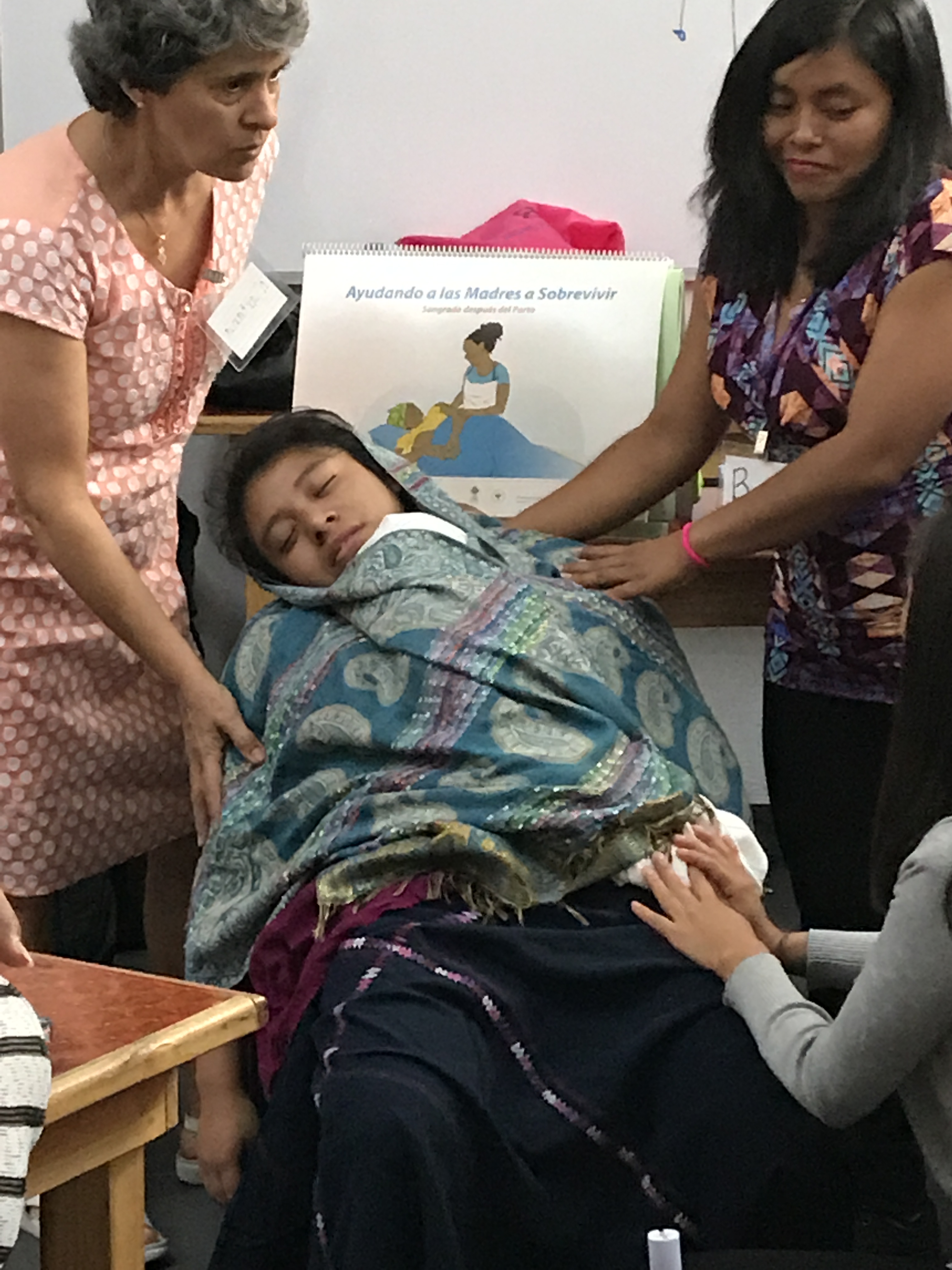
Vocational training teams trained birth attendants and equip them with supplies. Master Trainers will be trained and equipped with mannequins and teaching materials. Trainers use two programs— Helping Mothers Survive and Helping Babies Survive—that were developed specifically for use in low-resource countries and have been used successfully since 2010.
We completed our 14-day Vocational Training Team trip in last October and had very successful trainings. We traveled to four different areas (Fraijanes, San Juan La Laguna, Totonicapan, and Guatemala City) and had several training days.
Impact
Altogether 59 midwives received training in Bleeding After Birth, 26 midwives and students in Essential Care for Labor and Birth, 16 students in preeclampsia.
Additionally, 13 doctors and nurses were trained in Bleeding After Birth and Helping Babies Breathe (newborn resuscitation). The physician director of health care facilities in the northern Guatemalan department also attended the training, was very pleased with the training, and has requested that we return to train all the doctors and nurses working in birthing hospitals and clinics in this department. We also received several invitations to train midwives and students.
By creating a self-sustaining program using the “Train the Trainer” model, this project will build the capacity of indigenous birth attendants, thereby allowing them to provide evidence-based care to women and babies in their communities to improve birth outcomes. Birth attendants trained as Master Trainers will educate other birth attendants, expanding the project’s scope and sustainability.
Some of the trainings required three different language interpreters (English – Spanish – Ki’che’ and/or one of another 21 Mayan languages spoken in Guatemala ).
 Supporting Safe Birth